Staying Faithful in a World of Automation
We are living through a moment that feels quietly destabilizing.
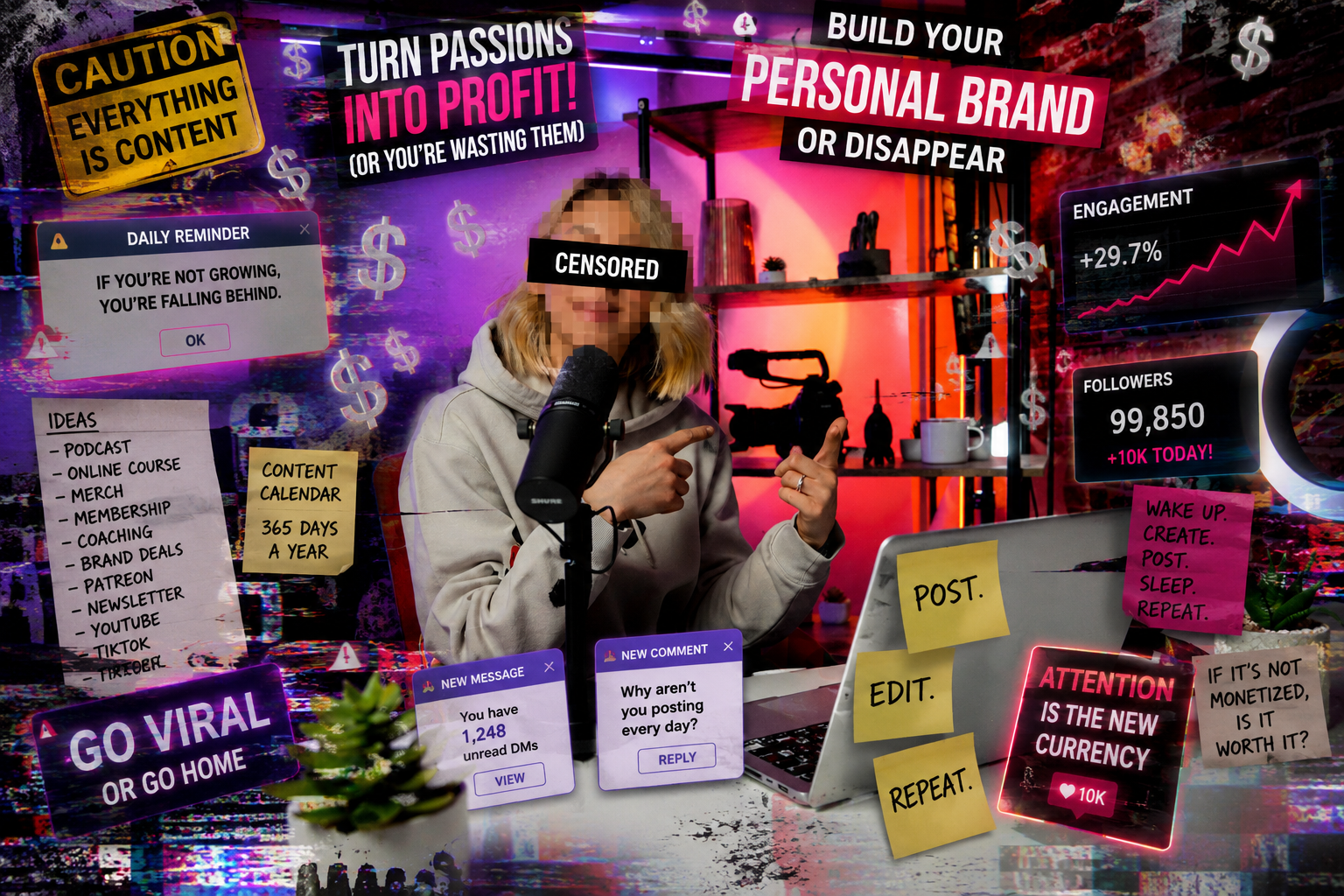
AI is no longer a simply a future concept; no, it’s really here, quietly and directly embedded into our work, creativity, and decision-making. It’s even in how people seek comfort and guidance, replacing therapists (or worse, the Holy Spirit) to help with processing one’s thoughts and emotions and circumstances. Alongside AI comes real—and in some cases, unwanted—change. Jobs are disappearing, shrinking, being replaced by AI agents and bots. Some skills rooted in college degrees and institutional knowledge are becoming obsolete; people have access to all knowledge at the click of a button. There’s a sense that the ground beneath us is shifting faster than our ability or perception has time to adapt.
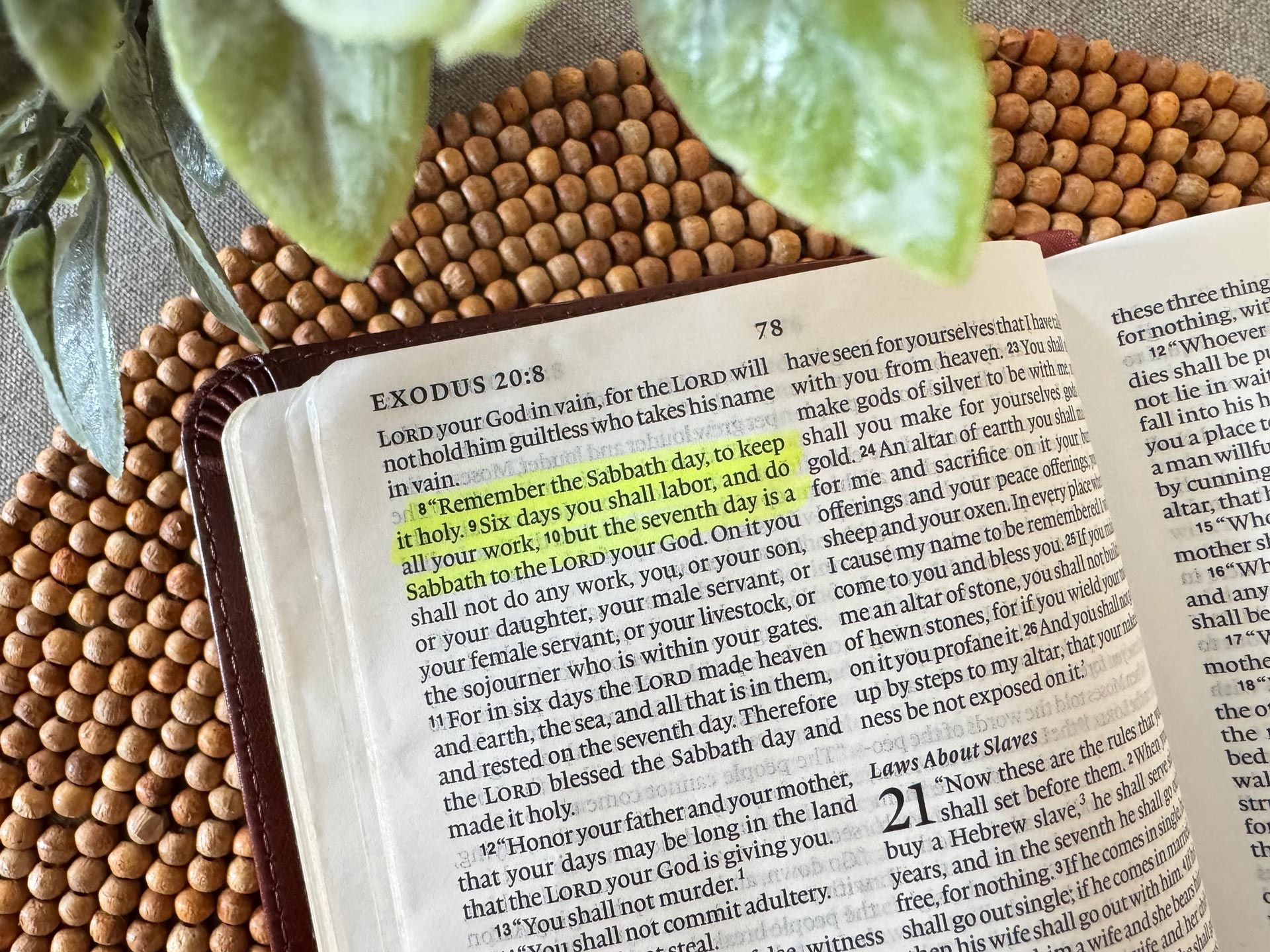
For many, the instinct is either feign ignorance, panic, or become compliant. Blend in. Keep up. Do whatever it takes to stay relevant. Christians have always lived through disruptive moments, and Scripture is surprisingly realistic about times like these:
“Do not conform to the pattern of this world, but be transformed by the renewing of your mind.” (Romans 12:2)
That verse lands differently when conformity is no longer just about social pressure, but algorithmic pressure tied to financial stability. When the crowd is no longer just “people”, but systems, metrics, and machine-optimized outcomes, it becomes harder not to feel the urge to shore up ones’ assets, identity, and livelihood at all costs. It is easy to find ourselves asking, Where will next month’s rent come from if I’m being replaced by AI? How do we survive this?
Jesus speaks directly into this kind of fear. In Matthew 6:28–30, He tells us not to worry about tomorrow, not about what we will eat or drink or what we will wear. Instead, He invites us to consider the birds of the air and the lilies of the field. The Father tends to them without anxiety or striving, and Jesus gently asks how much more He will care for those who bear His image.
28 “And why do you worry about clothes? See how the flowers of the field grow. They do not labor or spin. 29 Yet I tell you that not even Solomon in all his splendor was dressed like one of these. 30 If that is how God clothes the grass of the field, which is here today and tomorrow is thrown into the fire, will he not much more clothe you—you of little faith? (Matthew 6:28-30)
Before we go too far into this territory, I want to be clear about what this reflection is and what it is not. Nothing I’m sharing here is new. There is no secret insight, no prediction meant to stir fear, and no solution that neatly resolves the uncertainty many of us are carrying. This is not an alarm bell. It is not a call to panic or withdraw. And it is certainly not an attempt to spiritualize real economic or vocational anxiety (of which I know full well). My hope is simpler. I hope this resonates with your heart about what actually matters. That it helps ground you when the AI noise and hype gets loud. That this offers a sense of steadiness and peace in the middle of a storm none of us fully control.
Much is still unfolding. Much more significant change is coming. And yet, the call to remain faithful, attentive, and human has not changed.That is where we begin.
The Subtle Trade We’re Being Asked to Make
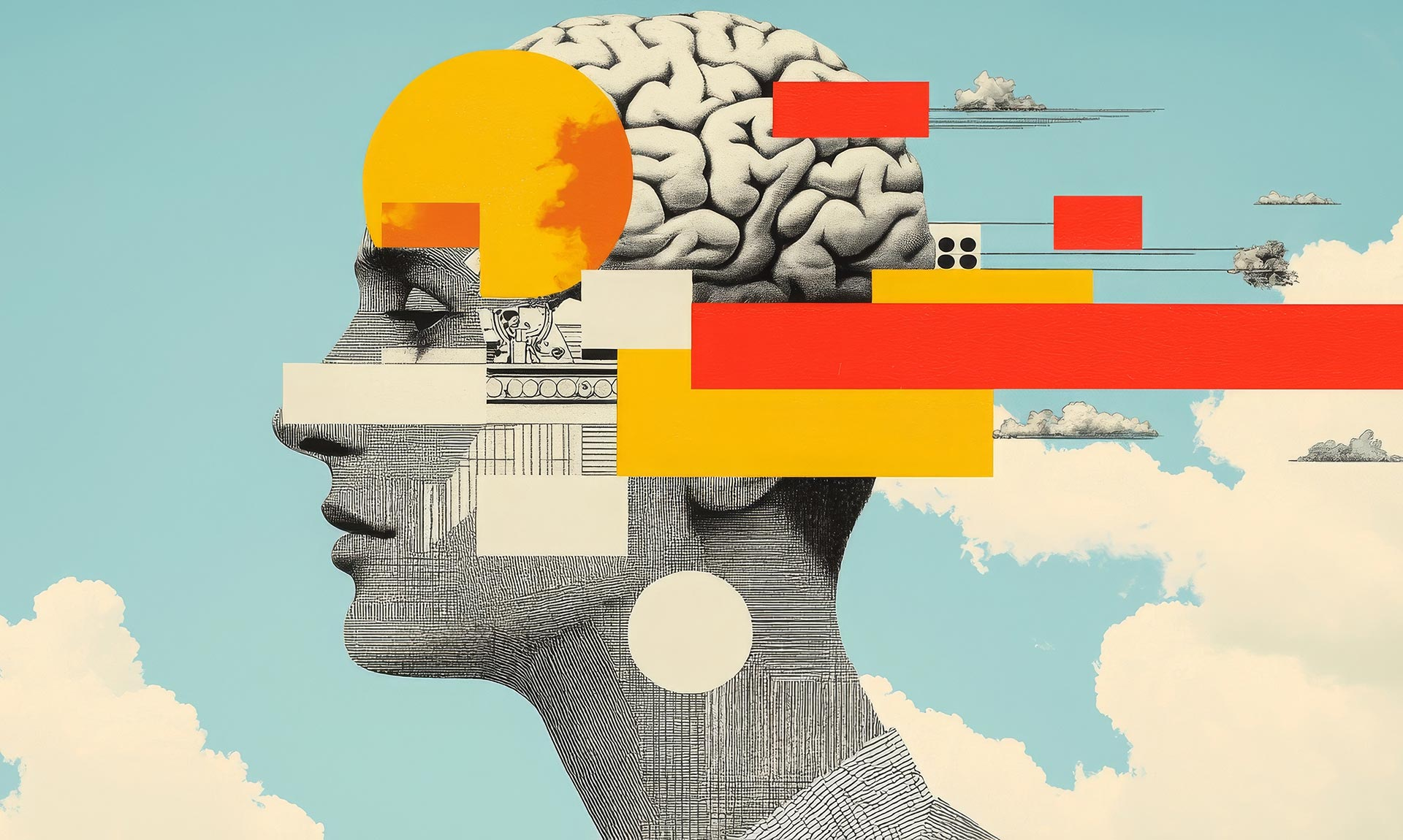
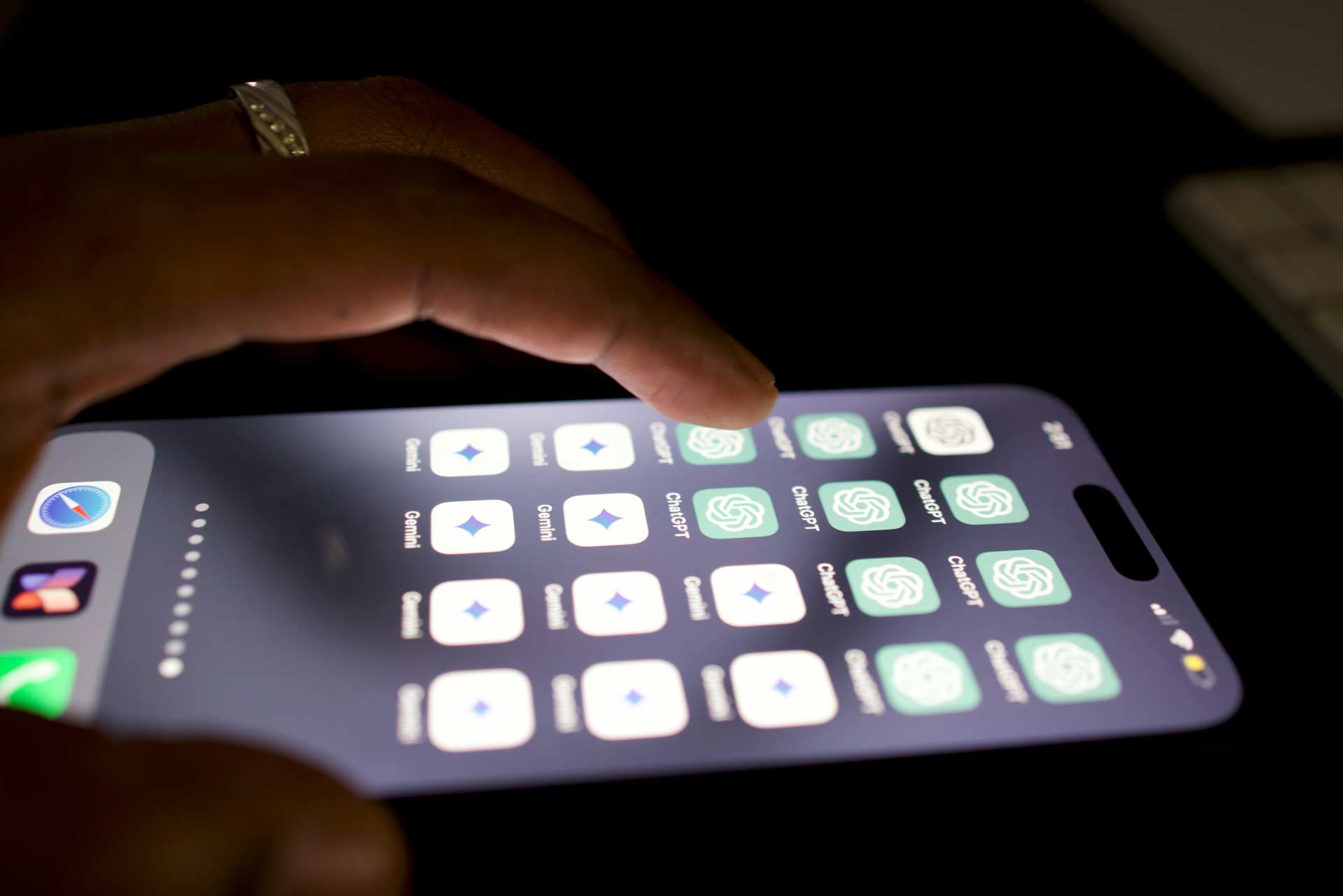
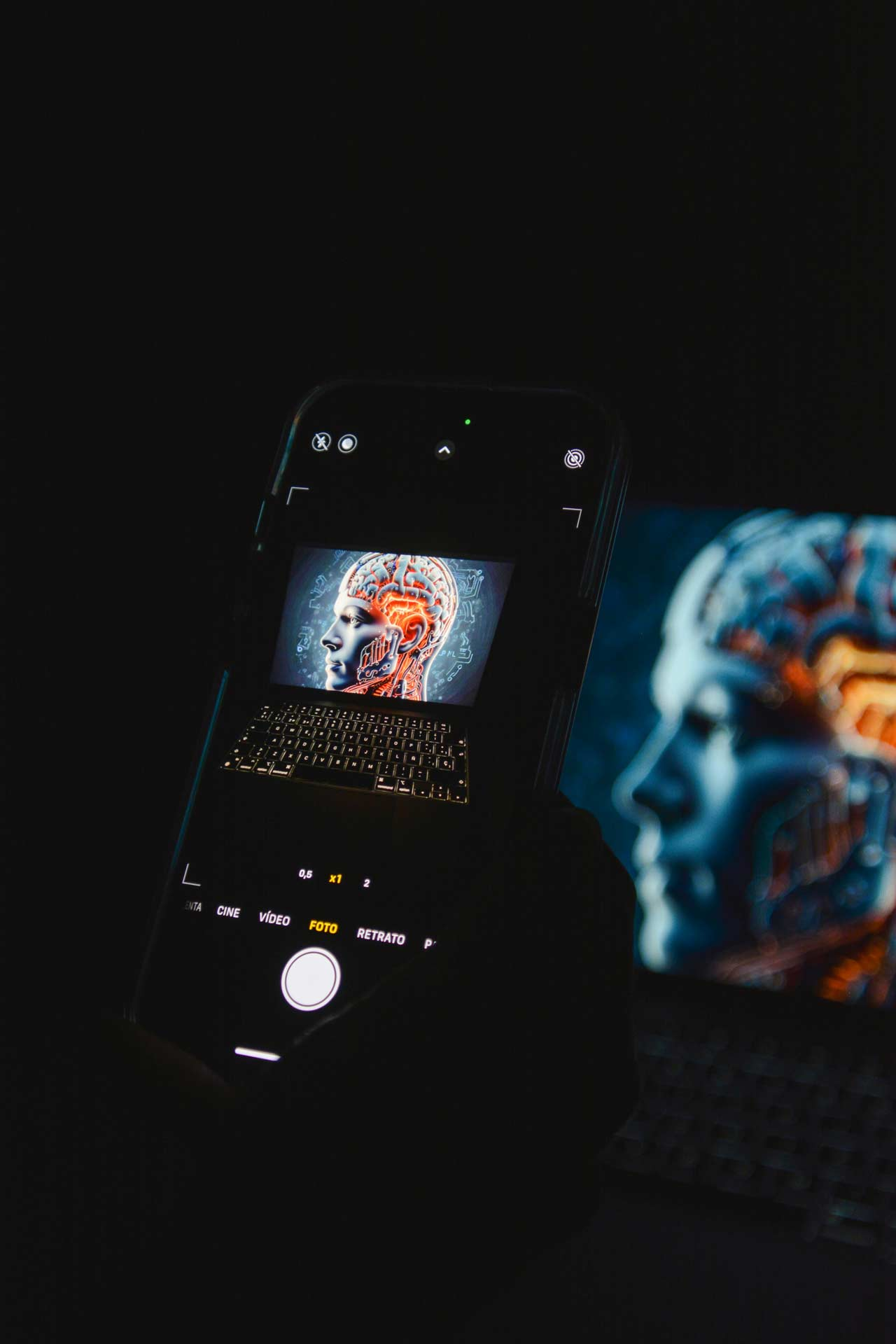
AI itself is not evil. It is merely a tool that humans created. We took powerful computers, fed them vast amounts of the world’s information and languages, and taught them to process that content in ways that help us make sense of the world around us. But tools, over time, shape the people who use them.
The deeper risk is not automation replacing labor. It’s automation replacing discernment.
When answers come instantly, something subtle begins to happen. Reliance on those systems grows. Dependence deepens. Our own conviction and capacity for discernment slowly weaken. When guidance is always available on-demand, patience erodes and anxiety quietly increases. Systems designed to affirm, soothe, and optimize rarely invite us into wisdom, humility, sacrifice, or patient endurance. Instead, they offer counterfeit “fruit”: comfort without transformation, reassurance without repentance, and confidence without cost.
These are not the fruits Scripture points us toward. The Fruit of the Spirit grows slowly and only by the Spirit operating within our hearts. Love, joy, peace, patience, kindness, goodness, faithfulness, gentleness, and self-control cannot be generated on demand. They are formed through time, surrender, and trust, often in seasons that feel inefficient, uncomfortable, or uncertain. Consider the times we are in, talk about feeling the pinch.
Dallas Willard once wrote, and rewritten about by John Mark Comer in his book, Ruthless Elimination of Hurry (2019), before the boon of AI was injected into our everyday lives:
“Hurry is the great enemy of spiritual life in our day.”
AI accelerates everything. Speed becomes virtue and opulence it’s product. Output becomes identity, while efficiency replaces diligence and faithfulness. And when God feels quiet, slow, or distant, technology feels present, responsive, and reassuring. But presence is not the same as truth. AI often gives us what we want to hear. The Spirit often tells us what we need to hear.
Faithfulness Has Never Been About Control
One of the hardest parts of this moment is the loss of certainty. We want to know where things are headed… what skills we need to learn in order to future-proof ourselves, and to adapt alongside an ever-changing, ever-accepting world with AI at the forefront of change. But Scripture offers very little comfort to our desire for control.
“Give us today our daily bread.” (Matthew 6:11)
Daily bread assumes uncertainty of what is coming tomorrow. It assumes dependence. It assumes we do not get the whole plan up front. Henri Nouwen put it simply: “Faith is trusting in God when you do not understand His ways.” It means asking for the next step of the journey, knowing he’s leading and guiding you towards something meaningful, something greater than yourself. It’s recognizing that His ways are higher and greater than your ways. Practically speaking, if He gave you the answer, you might not be able to handle it all at once. It would overwhelm you. So learning to trust Him in uncertain times has everything to do with relinquishing control. And no one is saying you must not feel fearful. It is acknowledging that you don’t control the future, that He knows what tomorrow brings, and remain abiding in Him.
That feels especially relevant now, with AI upending our world. When the economy feels fragile. When careers feel temporary and expendable. When technology outpaces ethics. When success feels increasingly disconnected from character. In a world optimized for productivity, staying human becomes the countercultural answer.
Here are some antidotes for this era:
“Above all else, guard your heart, for everything you do flows from it.”
(Proverbs 4:23)
Guarding your heart today may mean limiting how much authority you give to tools that feel intelligent but lack soul and spiritual discernment.
Staying Grounded When the Noise Gets Loud
What we are facing in this moment of history may stir anxiety and fear, tempting us either to withdraw, to put our heads in the sand, and hope that “this too shall pass,” or to rush toward every new solution placed in front of us. Neither posture is what this moment asks. Instead, it calls for discernment, patience, and a return to what forms us as humans, slowly and deeply.
Staying grounded in the months and years ahead will likely look quieter than we expect. It may mean resisting the urge to fill every moment with input or answers, turning to the tools that everyone is talking about “Will Change Everything”. But silence, though uncomfortable, retrains us to listen again, not just to our own thoughts, but to God, who often speaks without urgency or spectacle.
It will mean staying rooted in life. Working with your hands. Creating. Sharing meals. Showing up for real people in real time. These small, physical acts remind us that we are more than outputs or data points, and that presence still matters.
Community will matter more than ever. Not curated connections or algorithmic belonging through social media, but relationships that require patience, forgiveness, and mutual responsibility. This is the kind of community that cannot be optimized.
And it’s true, there may be moments when God feels quiet. When answers are not immediate. But, we pray “Give us today our daily bread” even when the path forward feels unclear. AI is touted to solve the problems, social media often fills the silence with false hope and certainty, but faith has always been formed in the waiting.
God’s ‘quiet’ is not absence. It is often an invitation into more.
Choosing the narrow way in this season may not look dramatic. It may mean measuring success by faithfulness rather than relevance. By integrity rather than efficiency. By who we are becoming, not how quickly we adapt.
Jesus never promised certainty about the future. He promised His presence within it.
“I am with you always, to the very end of the age.” (Matthew 28:20)
In a world racing toward automation and imitation, staying human, attentive, and faithful may be one of the most meaningful acts of resistance we have left.
Stay human, my friends.
Resonate Hope, Written By Ryhan Resleff, February 5th, 2026
Share This Article with Your Network
About the Author: Ryhan Resleff




news via inbox
Want regular updates and new articles from Resonate? Sign up for our free email updates—secure, private, and delivered straight to your inbox.