Social Media Disconnection: How Technology Eroded Real Relationships
Is Facebook creating a lack of depth in relationships?
In 2010, as a college student, this was the title of my senior research paper… asking a simple question that, at the time, didn’t feel radical. I observed how people posted mundane updates not to share, but to be seen. I attended to patterns of attention-seeking and found a thin veneer of “connectedness”—many acquaintances but few real friends. I wondered if all this noise was quietly eroding our capacity to truly connect.
Today, that concern has not only been confirmed—it has intensified.
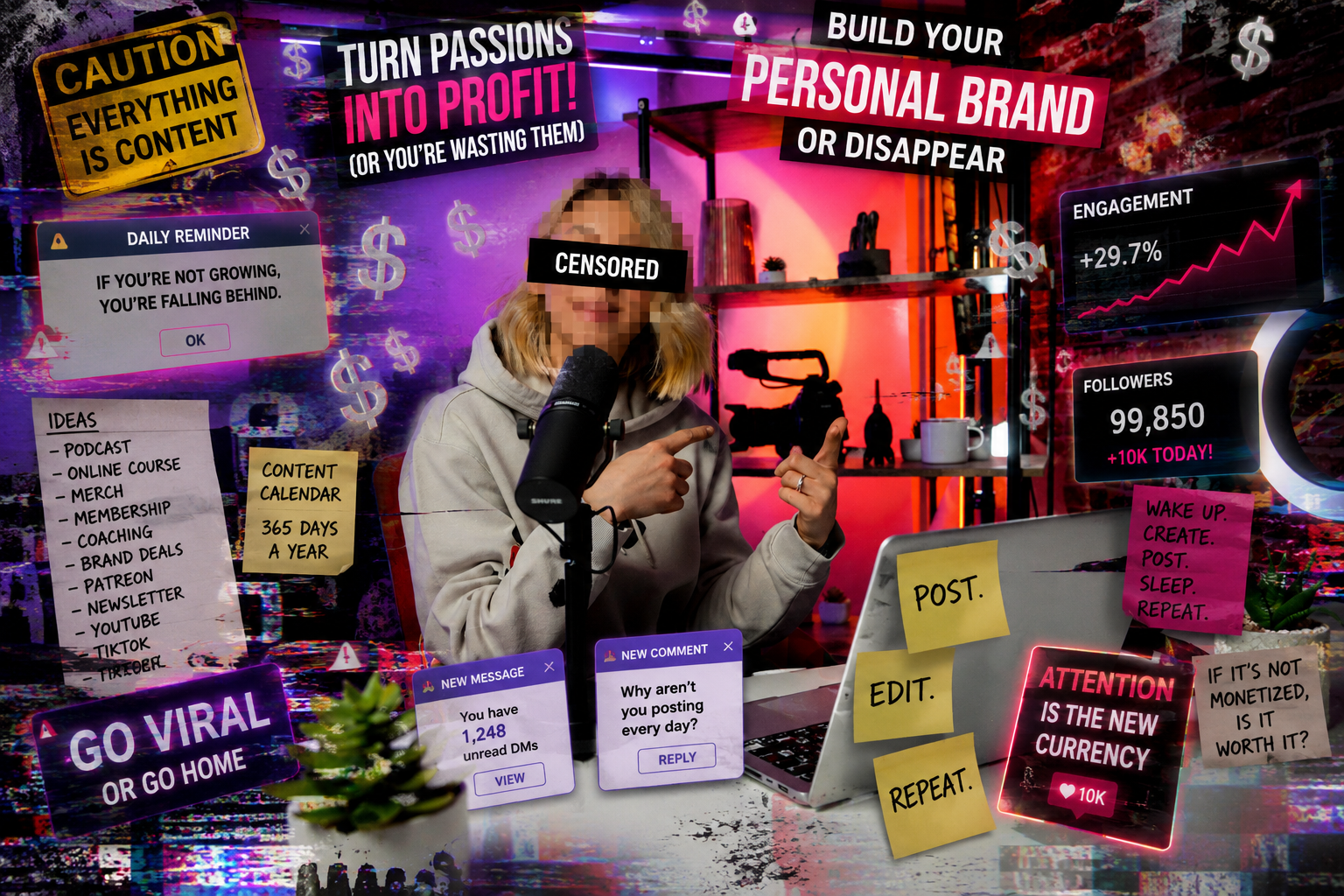
After years of social media evolution, the world is technically more connected than ever. Yet many of us feel more isolated, fragmented, and performative in our relationships than at any time in recent memory. Platforms that promised global intimacy instead delivered perpetual performance—profiles, reels, likes, viral moments, and the relentless pressure to craft a digital self that receives approval. What we gained in reach, we lost in depth.
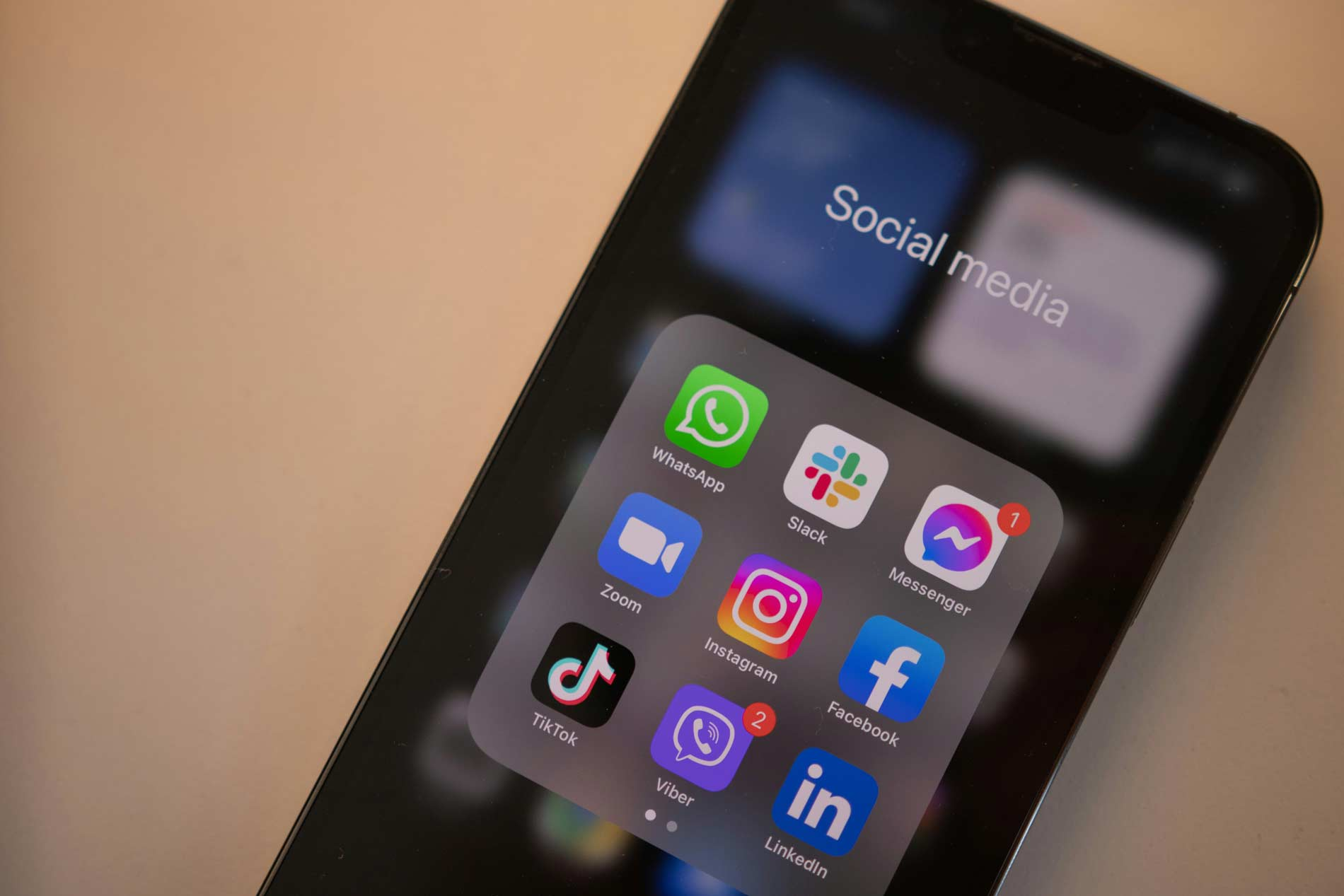

Platforms like Facebook, Instagram, TikTok, and others didn’t just give us tools for conversation. They rewired our expectations of communication. We now measure worth in followers and validation in notifications, and higher “visibility” often replaces true relational presence. What was once a space for connection has become a theatre for preening and self-aggrandizement.
This problem, in its subtlety, has grown worse with time. Narcissism and self-promotion no longer fly under the radar. They’re rewarded. They’re normalized. Too often, they’re the currency of cultural relevance itself.
But in the midst of this cultural unraveling stands a counter-cultural message: stop. Literally stop.
What was once a space for connection has become a theatre for preening and self-aggrandizement.
Honoring Voices who were Silenced
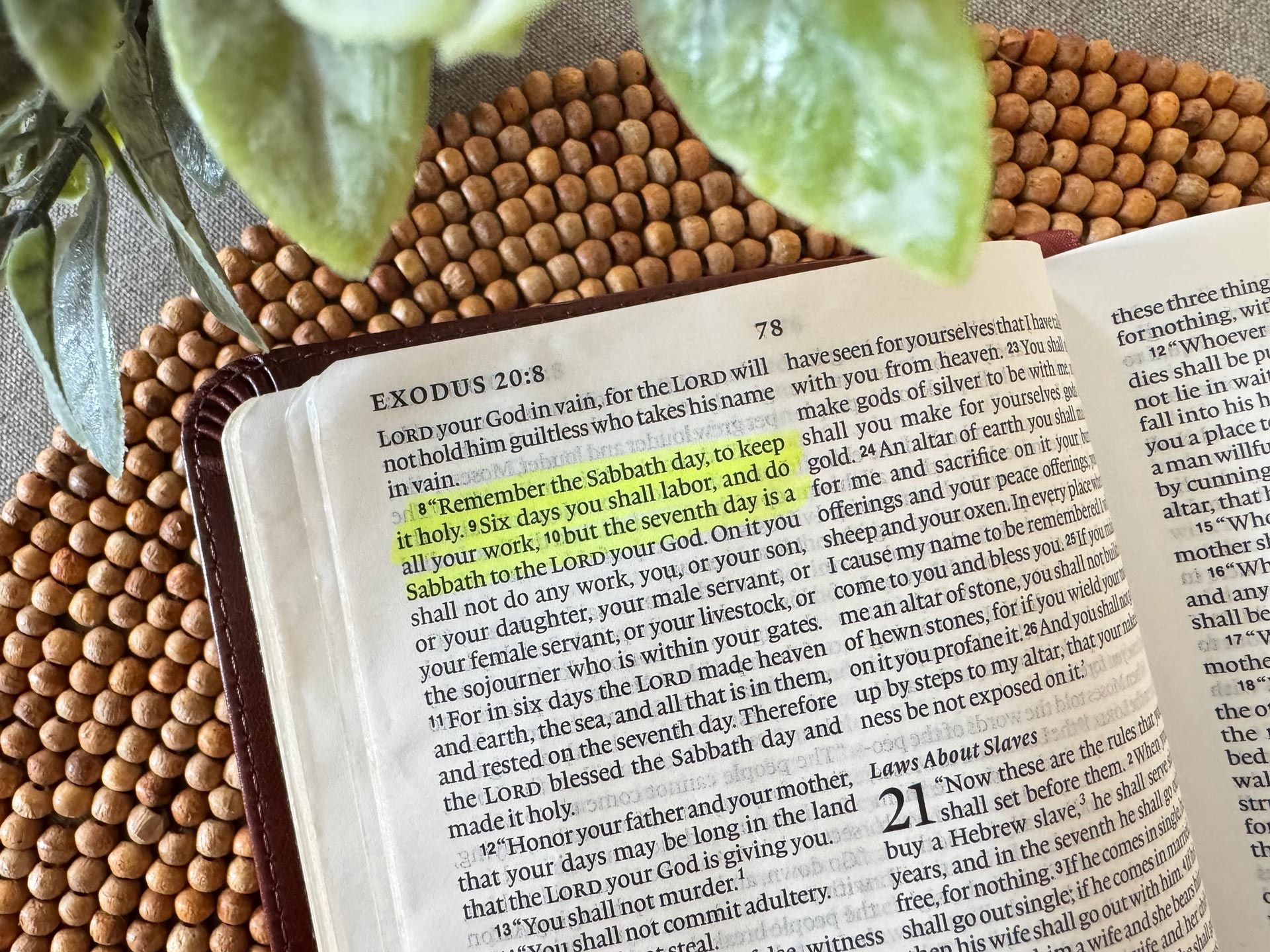
This is the message at the heart of Stop, in the Name of God: Why Honoring the Sabbath Will Transform Your Life, the final book of Charlie Kirk, released posthumously in 2025. Kirk, known for his work with Turning Point USA, turned his gaze toward something ancient yet urgently needed: the biblical practice of Sabbath rest. In his book he frames Sabbath not as a retreat from life, but as a rebellion against busyness, anxiety, and constant digital distraction. Sabbath invites us into real connection—with God, with family, and with the real world around us—by unplugging from screens and noise and engaging fully with presence.
What Kirk articulated, whether or not one shares his broader worldview or political commitments, resonates with a deeper human truth: depth cannot survive on a diet of distraction. The endless scroll and the pressure to perform are not incidental; they are corrosive to real relationship. When every moment becomes content, every feeling becomes a post, and every interaction becomes an audience, communion is replaced by projection, and community becomes a crowd.
The Sabbath, and practices like it, invite us to pause the machine. They remind us that human beings were not designed for constant output or perpetual connectivity. We were made for presence, for communion, for rest, and for intimacy—things that cannot be quantified in views or likes.
So how do we respond?
In Conclusion
We must acknowledge something: social media did not create isolation, but it amplified what was already there. It offered illusions of connection while often masking deeper relational poverty. To overcome that we need change not just in tools, but in our hearts and habits.
The invitation is not simply to log off. It is to lean in—to the people around us, to the beauty of unfiltered experience, and to rhythms of life that honor rest before productivity, connection before performance, presence before projection.
In disconnecting from social platforms, we discover something remarkable: we are not less connected. We are, finally, more human.
Share This Article with Your Network
About the Author: Ryhan Resleff




news via inbox
Want regular updates and new articles from Resonate? Sign up for our free email updates—secure, private, and delivered straight to your inbox.