Why Starting a New Hobby Still Matters
For many people, the idea of starting a new hobby feels surprisingly heavy.
It asks for time, effort, and attention, all in service of something that might never fully take hold. The question lingers quietly in the background: Why invest in something I might not even enjoy? In a culture that prizes efficiency and immediate payoff, that hesitation feels reasonable.
Doing something new is inherently uncomfortable. Familiar routines offer safety, predictability, and ease, and modern life has been carefully engineered to remove as much friction as possible. Our phones simplify nearly everything. Goods arrive quickly, meals are prepared for us, and entertainment is endlessly available on demand. Comfort has become both the goal and the reward. In that environment, time and investment are often treated as inconveniences rather than virtues.
Yet something essential is lost when effort is no longer valued. When everything is pre-made and optimized for speed, we slowly lose our tolerance for process, patience, and growth. We forget that many of the most meaningful aspects of life require repetition, discipline, and a willingness to be bad at something for a while.
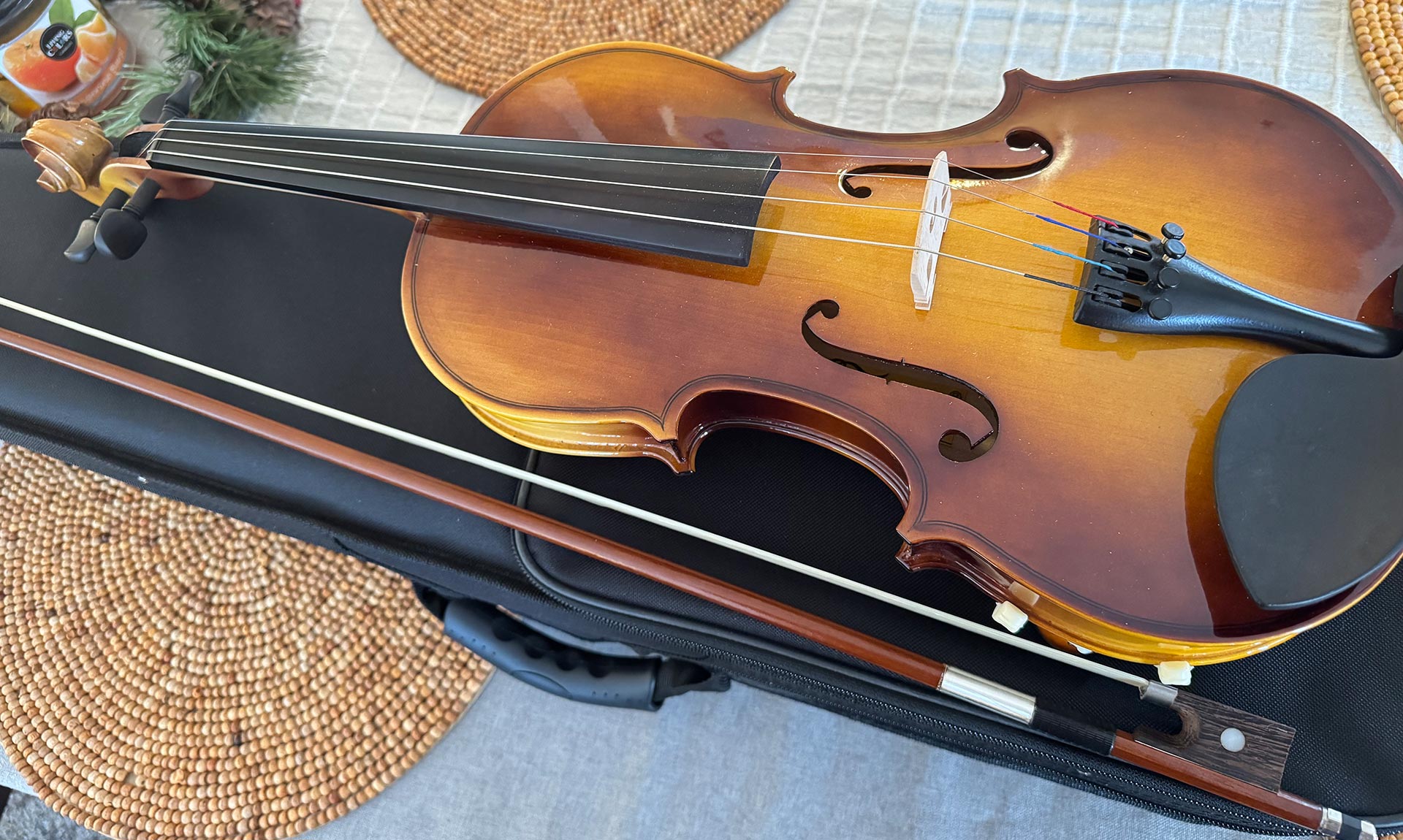
This became clear to me recently in a small but meaningful way. As a Christmas gift for both my son and myself, I bought us violins. My son, who is nine, loves Lindsey Stirling’s music and had been begging to learn the violin, unaware that I had already decided to make it happen. Like most children encountering a new skill, his excitement was quickly followed by the realization that mastery takes time. Focused, consistent practice is not optional. It is the path.
Out of curiosity, I asked how old Lindsey Stirling was, and then when she started playing. She began at age five. The math landed hard. My son was surprised by the idea that it could take decades to reach that level of skill. Of course, the truth is that progress does not unfold evenly, and growth often accelerates in unexpected ways. Still, the lesson remained. Skill is formed through commitment over time, not instant gratification.
I was reminded of a conversation with a friend who once told me he had no real hobbies. His spare time, limited by work and the demands of raising four children, was spent watching television because it felt like the only true rest he had. I understood the exhaustion, but I challenged the assumption. Even small investments of time can plant meaningful seeds. Growth does not require endless hours. It requires intentionality.
Growth does not require endless hours. It requires intentionality.
Sowing seeds will eventually lead to a Harvest
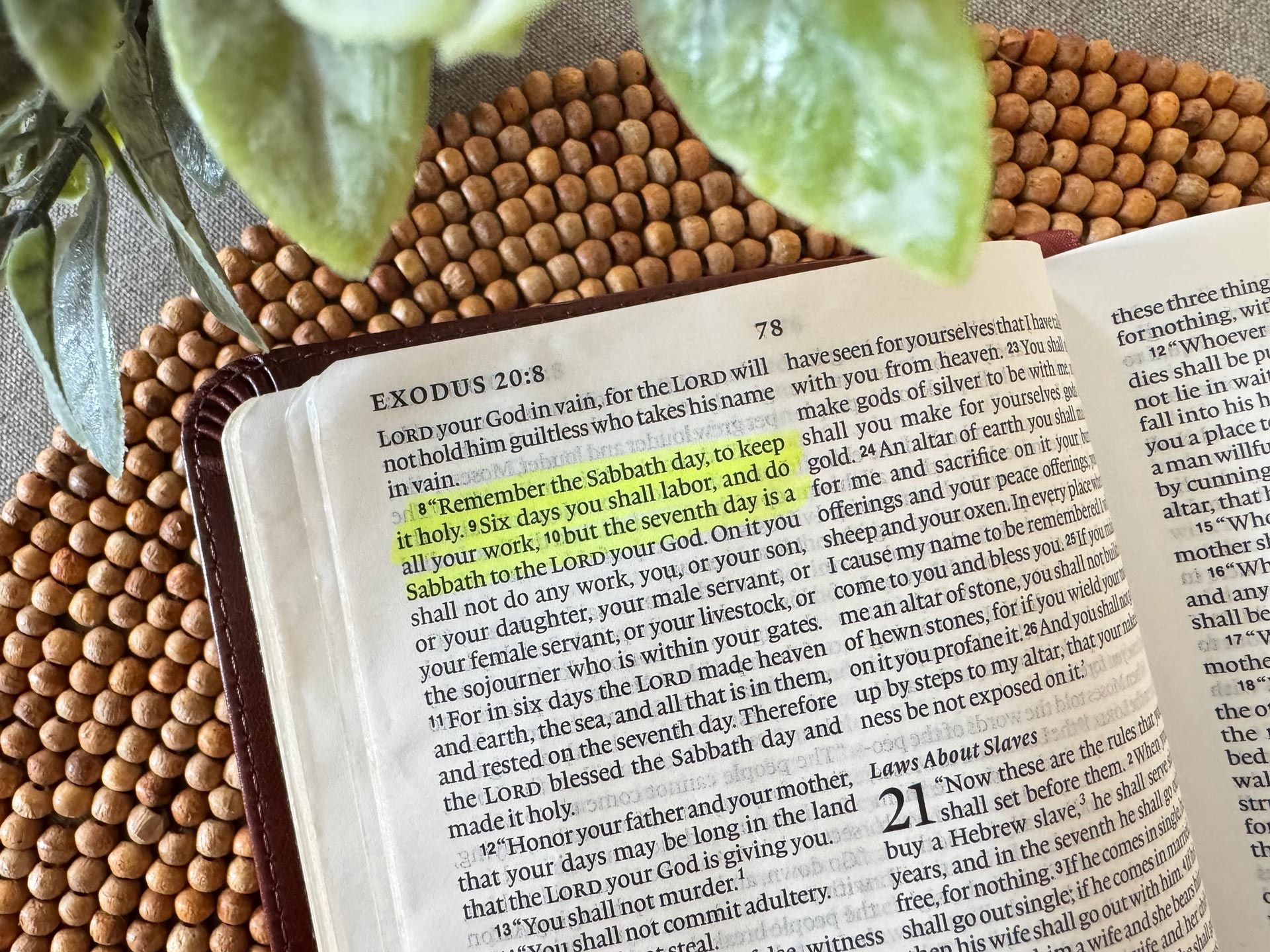
Ecclesiastes 11 speaks directly to this posture, urging us not to wait for perfect conditions before acting, but to sow seeds generously and trust that growth will come in ways we cannot predict. If we refuse to begin because of fear, uncertainty, or the perceived cost of effort, nothing ever has the chance to take root.
Starting small matters. When I became curious about painting, clay modeling, and learning the violin, I resisted the urge to overcommit. I chose entry-level tools and modest investments, enough to explore without pressure. Some interests faded quickly. Others lingered. None of them felt like failures. Each was a seed given a chance to grow. Discernment comes through practice, not avoidance.
So what good are hobbies, really?
They reshape how we see the world. Learning a new skill activates parts of the mind that often lie dormant, strengthening attention, creativity, and resilience. Lifelong learning is one of the most effective ways to remain mentally engaged as we age. More than that, hobbies reconnect us with curiosity and humility, reminding us that growth is always possible.
Comfort, when left unchecked, quietly erodes us. Taking up a new hobby interrupts that drift. It invites discovery, patience, and self-knowledge. You may find that something unexpected emerges, not just a skill, but a deeper understanding of who you are and who you are becoming.
Don’t give up too early…
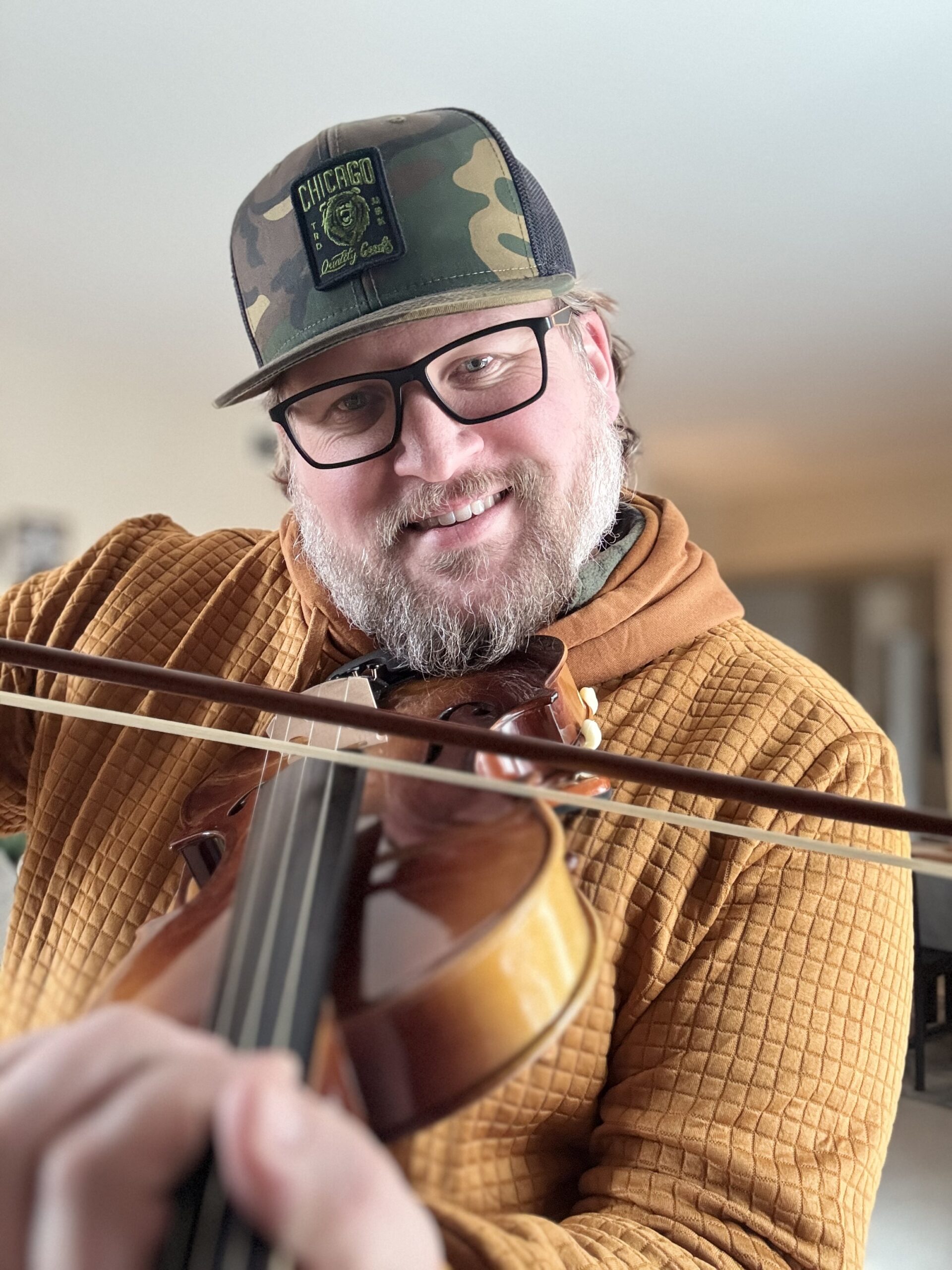
Most evenings now, my son and I sit with our violins and stumble through notes together. There is no performance, no pressure to be impressive, just the quiet work of learning side by side. Some days it sounds rough. Other days, a melody begins to emerge. What matters is not how good we are becoming, but that we showed up at all.
That small decision, to begin, has already given us more than skill. It has given us shared time, patience, laughter, and the reminder that growth does not demand perfection, only presence. The same has been true of every hobby I have tried and set aside or returned to later. None of it was wasted. Each attempt taught me something about effort, curiosity, and my own capacity to learn again.
Hobbies are not about filling time. They are about reclaiming it. They remind us that we are not meant to consume our way through life, but to participate in it. If there is something you have been quietly considering, a skill, a craft, a curiosity you have put off because it feels impractical or inconvenient, consider this your permission to start small and start now. You may be surprised by what begins to grow once you do.
Share This Article with Your Network
About the Author: Ryhan Resleff



news via inbox
Want regular updates and new articles from Resonate? Sign up for our free email updates—secure, private, and delivered straight to your inbox.