What I Let Shape Me
I did not go looking for a health revolution. A friend mentioned an app.
He said, “It’ll show you all the products you’re probably better off not using,” he said. No sermon, no panic—just one comment over breakfast that stuck with me. So I did something with it.
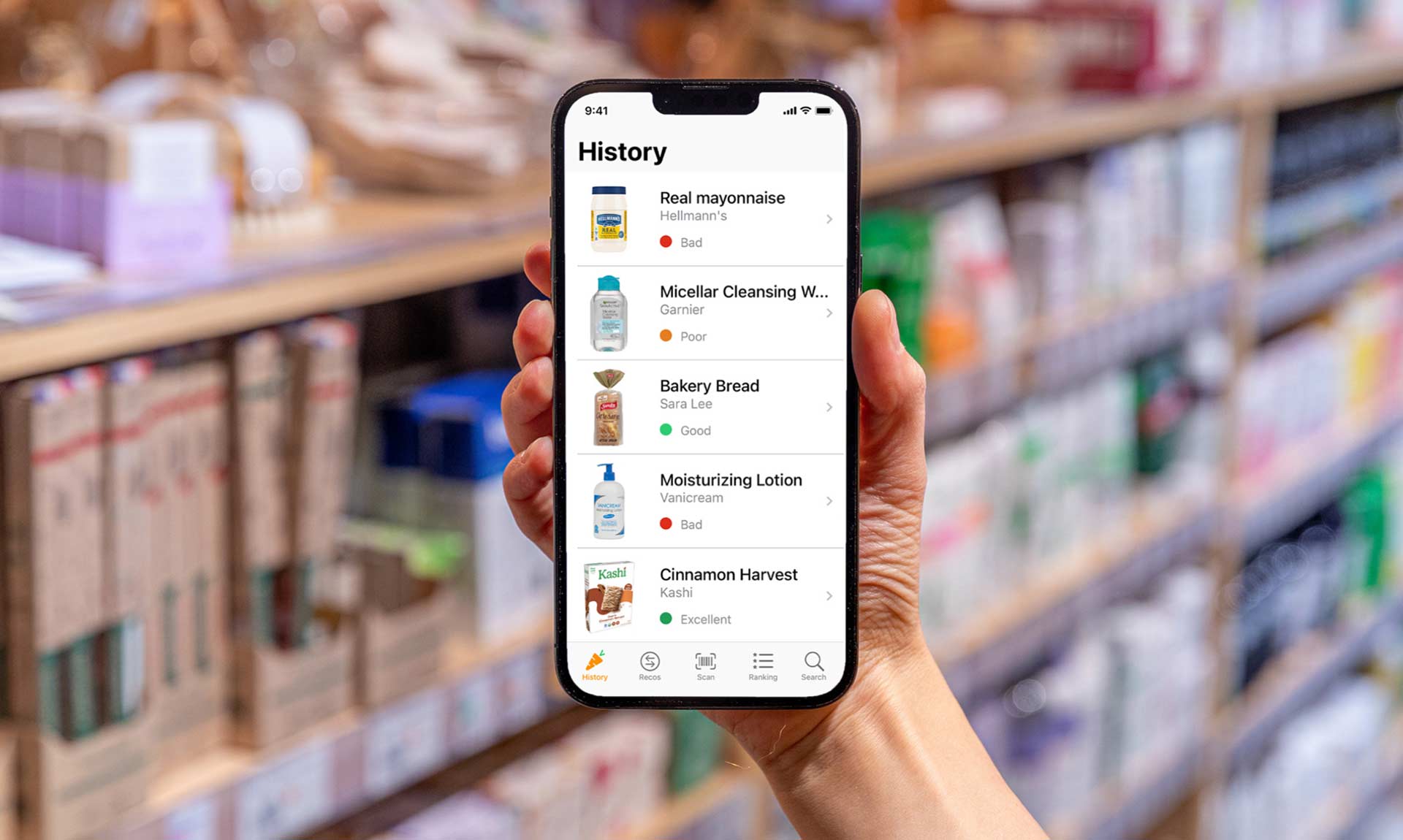
I had heard of Think Dirty, so I downloaded it, only to find it cost thirteen dollars a month. That felt wrong. If understanding what we put on our bodies truly matters, why should it be behind a paywall? Yuka, the app my friend mentioned, offered a different approach. It was free to start, with optional features for those who wanted more, and I wanted to see for myself.
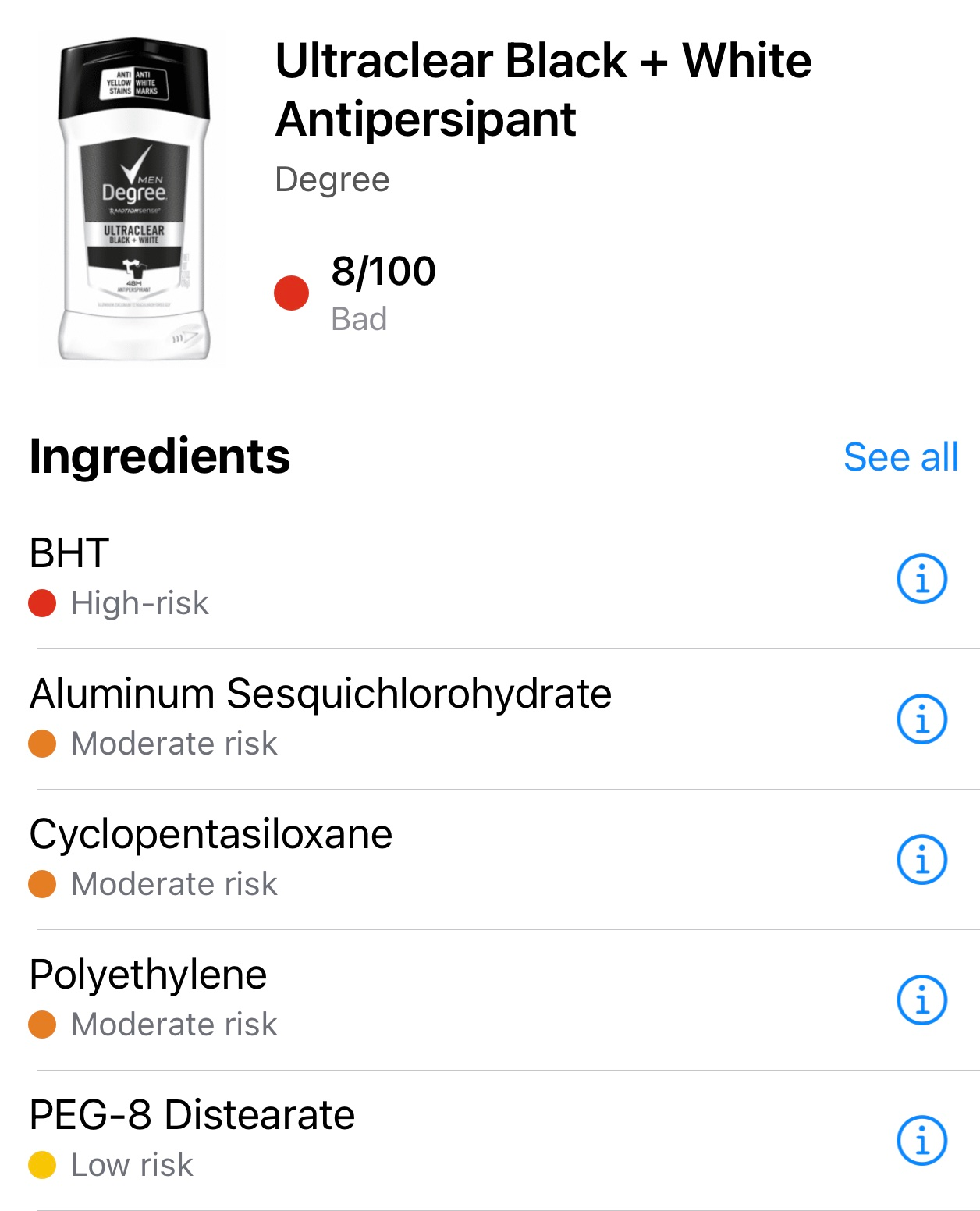
I began with something familiar: my deodorant. The score came back: 4 out of 100. Seriously, I was shocked. I had trusted this product for years without thinking twice. Then I scanned shampoo, body wash, hair products, and the pattern became clear. These weren’t rare or obscure items—they were normal, everyday things marketed as acceptable. The realization hit: I had barely given intention to what I put on my skin. Familiarity had felt like safety, and I had been too generous in my trust. I read even further, the ingredients in these products were known for endocrine-disruption and other toxicity to the liver, brain, and kidneys… and I was using them for years.
Confession: I’m NOT being paid to endorse these products. I wrote this article simply because I found something that changed my life, that resonated with what I wanted from my consumer products, and in typical Resonate fashion, I felt the desire to share it with you.
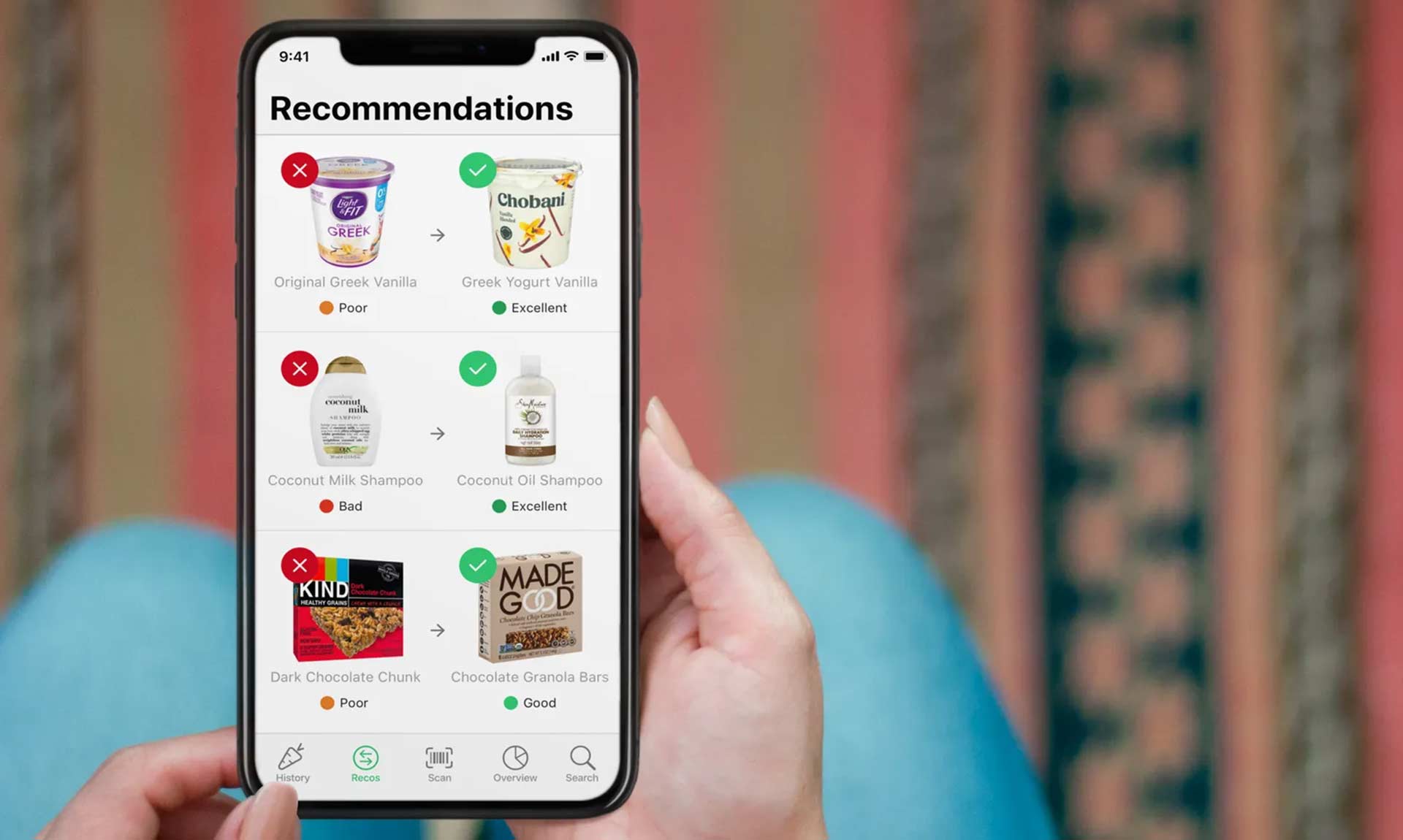
I didn’t throw everything out that night. Nor did I spiral or become militant. I simply started paying attention. As time and finances could allow, I started replacing them with something better. When you scan a product with a low ranking on Yuka, it recommends other products with higher rankings, and shows the ingredient lists for how they were ranked. So I started with the highest ranks possible. Quickly over time, every body and hair product in my bathroom changed. The goal wasn’t perfection; it was alignment.
Even my coffee creamer didn’t survive, and that one stung a little.
But this wasn’t just about products. It was about formation—how we are shaped, often without noticing, by the things we do every day. We tend to think growth happens in big moments: through books, sermons, or life-changing choices. In reality, it happens quietly, in repetition, in habits, in the routines we stop questioning because it’s easier not to. Modern systems, with their convenience and predictability, make that ease feel neutral, when in fact, it often shapes us more than we realize.
We are shaped, often without noticing, by the things we do every day.
What We Think About Shapes Us
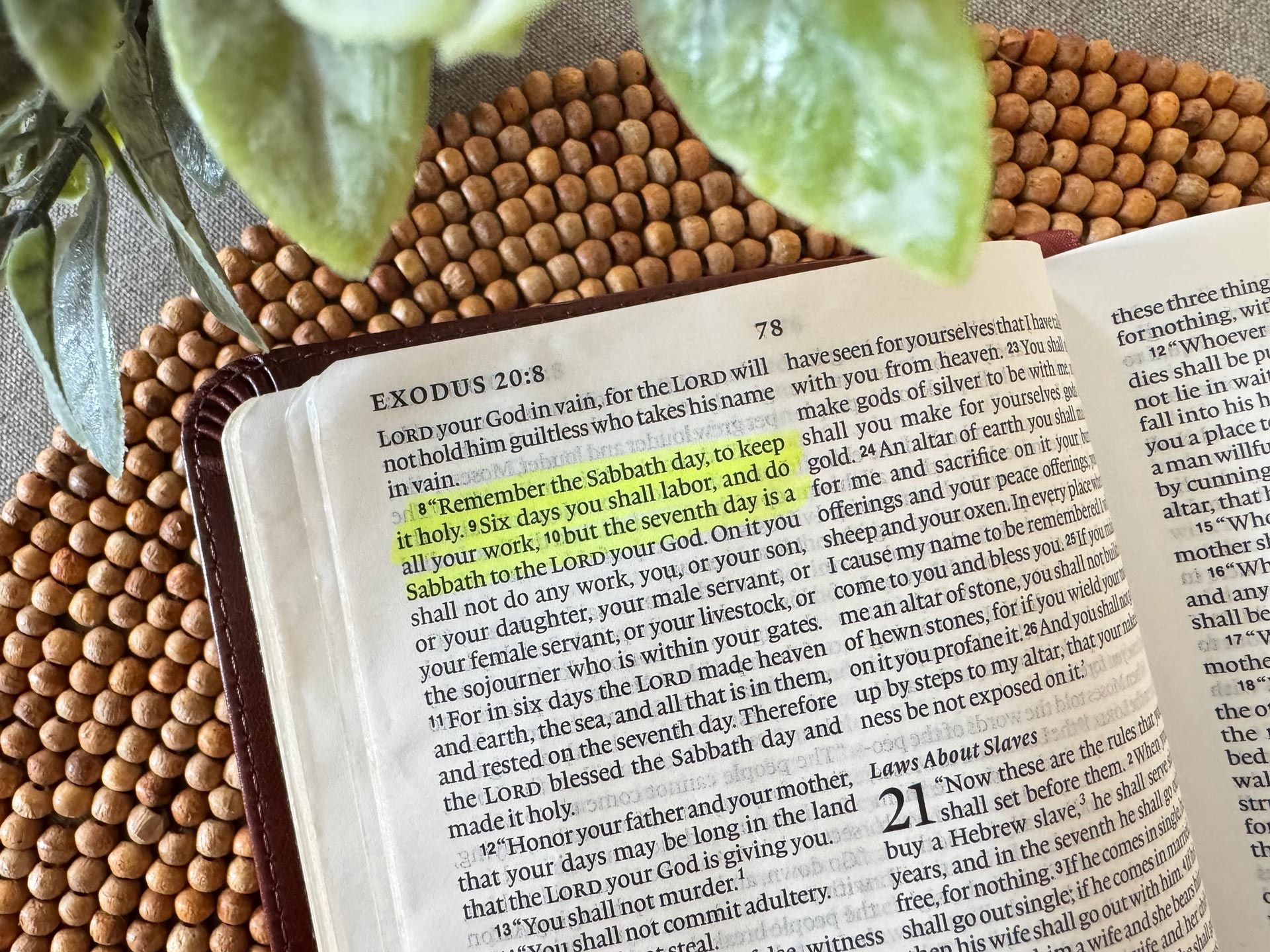
Following Jesus has always been about attention. Sabbath reminds us to slow down. Simplicity asks us to resist excess. Stewardship calls us to see our bodies and lives as meaningful, not disposable. The small decisions—what we eat, what we apply to our skin, how we care for our space—become acts of awareness. Not for show, not out of fear, but as a deliberate choice to shape life instead of letting life shape us.
I still live in systems I cannot fully escape. I still compromise, still buy things I do not fully trust. But I no longer assume neutrality. I no longer outsource discernment. This shift hasn’t fixed me or made me better than anyone else. What it has done is help me notice what truly resonates with the life I want, and what does not. Formation is happening whether we consent or not. Paying attention is the first step in choosing for ourselves.
Share This Article with Your Network
About the Author: Ryhan Resleff




news via inbox
Want regular updates and new articles from Resonate? Sign up for our free email updates—secure, private, and delivered straight to your inbox.